What Is Raspberry?
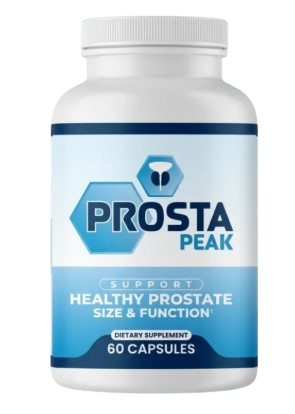
Raspberry (Rubus idaeus) is among the botanicals highlighted in ProstaPeak promotional material. That does not establish the exact amount or preparation used in the finished supplement.
Raspberry Evidence for Prostate or Urinary Health
Raspberries supply dietary fiber and plant compounds as foods. Evidence that raspberry extracts relieve urinary symptoms or shrink the prostate is not established.
Evidence should be interpreted by study design, dose, extract, duration and measured outcomes; broad botanical claims are not interchangeable with direct evidence.
Uses and Proposed Mechanisms
Traditional use and laboratory mechanisms can motivate research, but they do not establish patient-relevant clinical benefit. Ask whether studies measured symptom scores, urinary flow, quality of life or adverse events.
ProstaPeak Formula Relevance
Eating raspberries and taking an unspecified raspberry extract are not interchangeable interventions.
Raspberry Safety and Interactions
Food forms are generally well tolerated; concentrated extracts and individual allergies deserve separate consideration.
The absence of reported adverse effects in a short trial does not prove long-term safety. Review all supplements with a healthcare professional when using medicines or managing chronic conditions.
Evidence Questions to Ask
- Was the study conducted in humans?
- Was the preparation comparable to the marketed extract?
- Was the dose disclosed and clinically relevant?
- Did the study test the finished ProstaPeak product?
- Were adverse events and dropouts reported?
Related Ingredient Research
Saw Palmetto
Saw palmetto has been studied for lower urinary tract symptoms associated with benign prostate
Read research →Pygeum
Pygeum bark extracts have appeared in older, generally small studies of urinary symptoms. Study
Read research →Green Tea
Green tea contains catechins investigated for antioxidant activity. Laboratory findings do not
Read research →